
Human Experiences in a Tech-Driven World
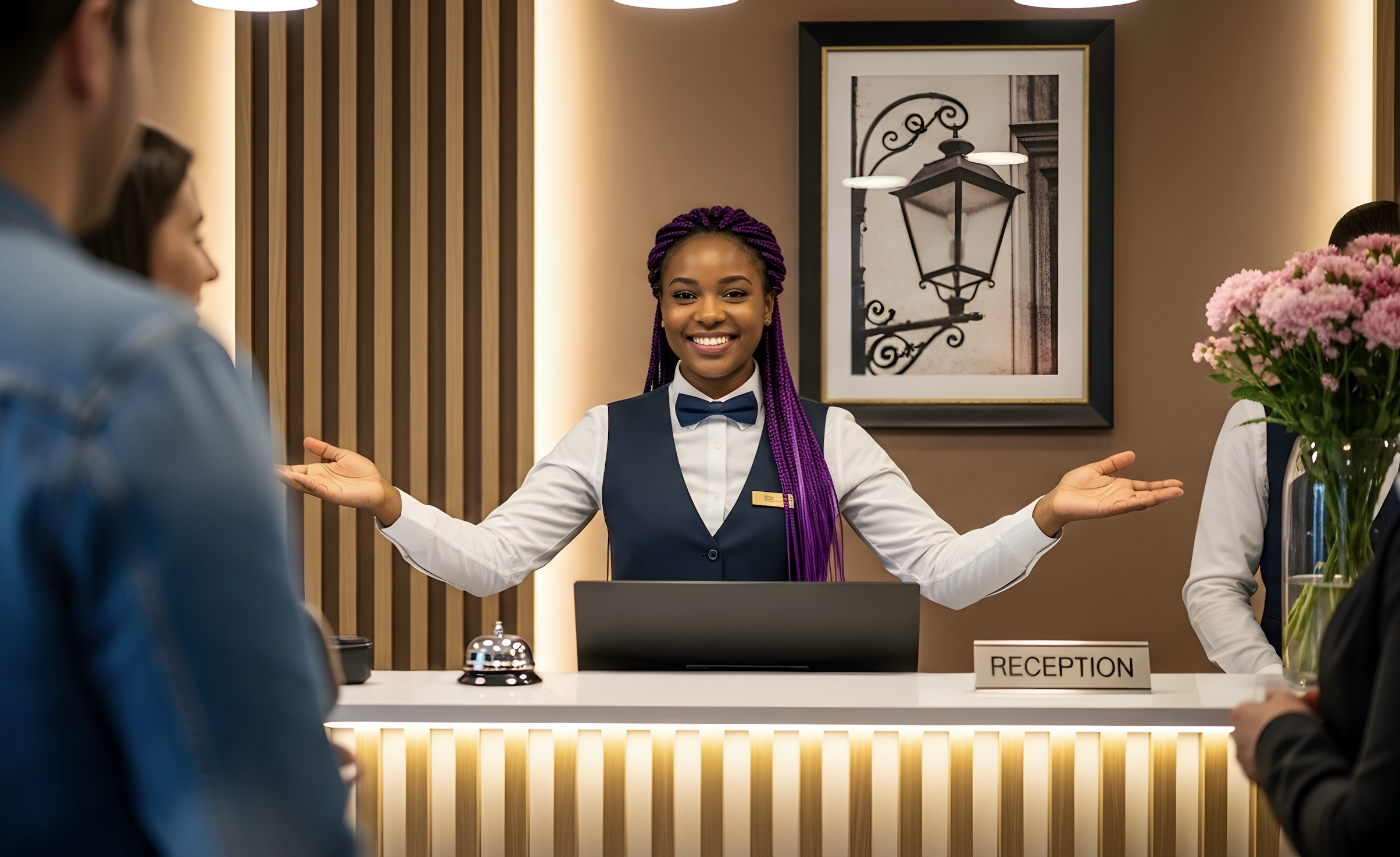
Photo Credit: Adobe Stock / justsann
As a woman leading in a professional setting, you may have noticed how much has changed in the way people work today. As a Gen X’er, I am especially struck by the differences in work and career approaches among Millennials and Gen Z. I see cultural and societal shifts toward doing less work overall, as well as the assumption that work should be easy – or can be made easier by skipping steps or rushing to finish tasks. I feel concern when I hear about people simply refusing assignments. Many assume someone else will do the task or hope their boss will withdraw the request altogether.
Societal Challenges and Opportunities
I’ve also been thinking about the challenges our societies face: the climate crisis, serious inequalities among nations, races and cultures as well as mental health issues – including rising rates of stress, anxiety and depression, particularly among young people. There are many needs to meet, and at times it can all feel overwhelming.
Positive encouragement to apply ourselves at work can help address societal challenges. As we navigate technological advances and continue to recover from the lasting impacts of the COVID-19 pandemic, leaders in travel and hospitality are uniquely positioned to be catalysts for change, influencing solutions to some of the issues we must tackle.
Why Human Experiences Matter
You may think it’s a stretch to imagine the hospitality industry as a key player in making the world better. But despite technology’s effects on our work – AI, social media for self-education and the rise of side hustles – one thing AI cannot replace is human experiences, the foundation of our industry.
During the pandemic, front-line workers kept the world moving. The moments when human interaction was necessary became touchstones of our humanity. Now, as travel returns to “normal,” we must double down on the importance of these experiences and the people who bring them to life. Yet culturally, we often undervalue these roles, seeing them as “lesser” jobs held by young people, newcomers or those without formal postsecondary education.
The Value of Work and Effort
Having started my career in retail service, I can confidently say that this work shaped me. Work – practicing, repeating, problem-solving, failing, succeeding and persevering – builds the skills and confidence to tackle more strategic assignments. Whether or not someone stays in the same industry, the knowledge and experience gained through diligent work prepares them to solve larger, more complex problems.
Our desire for ease, quick satisfaction and minimal exertion has stunted the creativity, resilience and practical abilities needed to advance solutions that benefit us all. Too often, people expect “someone else” to take care of things. This is not about blame; it’s about acknowledging a cultural shift toward effortless entertainment and instant gratification.
Leading by Example
Travel and hospitality leaders are positioned to model effort, reward meaningful work and inspire teams to create memorable experiences for guests. When employees see their work make someone’s day – whether in a hotel, on a cruise, in a restaurant or elsewhere – they gain satisfaction and motivation. This can spark further achievements, creativity and problem-solving, advancing not just the industry but our communities and society as a whole.
I encourage my fellow women leaders to lead by example: motivate, mentor, reward and inspire teams to stretch themselves. Experiencing the satisfaction of meaningful work firsthand builds resilience, energy and creativity – qualities that empower us to tackle bigger problems, support one another and create positive impact both locally and globally.